
Last updated: 28 January 2026 | reviewed for accuracy by Emmanuel Hlongwane
In a strategic development for skills growth in the agricultural sector, the Dairy Learning 2026 Training Programme has officially opened its doors to new applicants. With a reputation for linking learners to industry‑ready competencies, this programme represents a measured response to evolving dairy market demands and workforce development goals.
What Is the Dairy Learning 2026 Training Programme?
The Dairy Learning 2026 Training Programme is a structured, accredited training pathway designed to equip individuals with both theoretical knowledge and practical experience in dairy operations. This initiative balances classroom instruction with on‑site mentorship at established dairy facilities, offering a realistic bridge from education to employment.
A Trusted Pathway for Skills and Career Development
This annual training cycle emphasizes industry relevance, drawing from dairy professionals, technical educators, and quality assurance experts. Candidates receive training in essential areas such as:
- Dairy product processing and handling
- Food safety and hygiene best practices
- Quality assurance and regulatory compliance
- Equipment operation and maintenance
- Workplace health and safety protocols
These focus areas are informed by real industry needs, ensuring that graduates enter the job market with competencies aligned to employer expectations.
Application Window and Key Dates
The Dairy Learning 2026 Training Programme is currently accepting applications, with the exact closing date set for February 13, 2026. Candidates are encouraged to submit their applications well in advance of the deadline to avoid potential delays or high‑volume traffic near closing.
This transparent timeline reflects the programme’s commitment to fairness and accessibility.
Why This Programme Matters
Across the agricultural sector, dairy remains a cornerstone of food production and economic activity. Yet, the industry faces a pronounced skills gap — particularly in technical roles related to processing, quality control, and operational management.
The Dairy Learning 2026 initiative helps address this gap by:
- Increasing access to formal training for young adults
- Supporting workforce readiness with relevant practical experience
- Elevating industry standards through certified competencies
For candidates, this training offers not only skills but also confidence, purpose, and a professional foundation tied to earning potential. For employers, it signals a future supply of trained personnel ready to contribute on day one.
Related Opportunities 2026
- Funding Bursaries
- Youth Opportunities
- Internship Programme
- Learnership Programme
- Online Courses
- Government Education Updates
Structured Learning Backed by Industry Experience
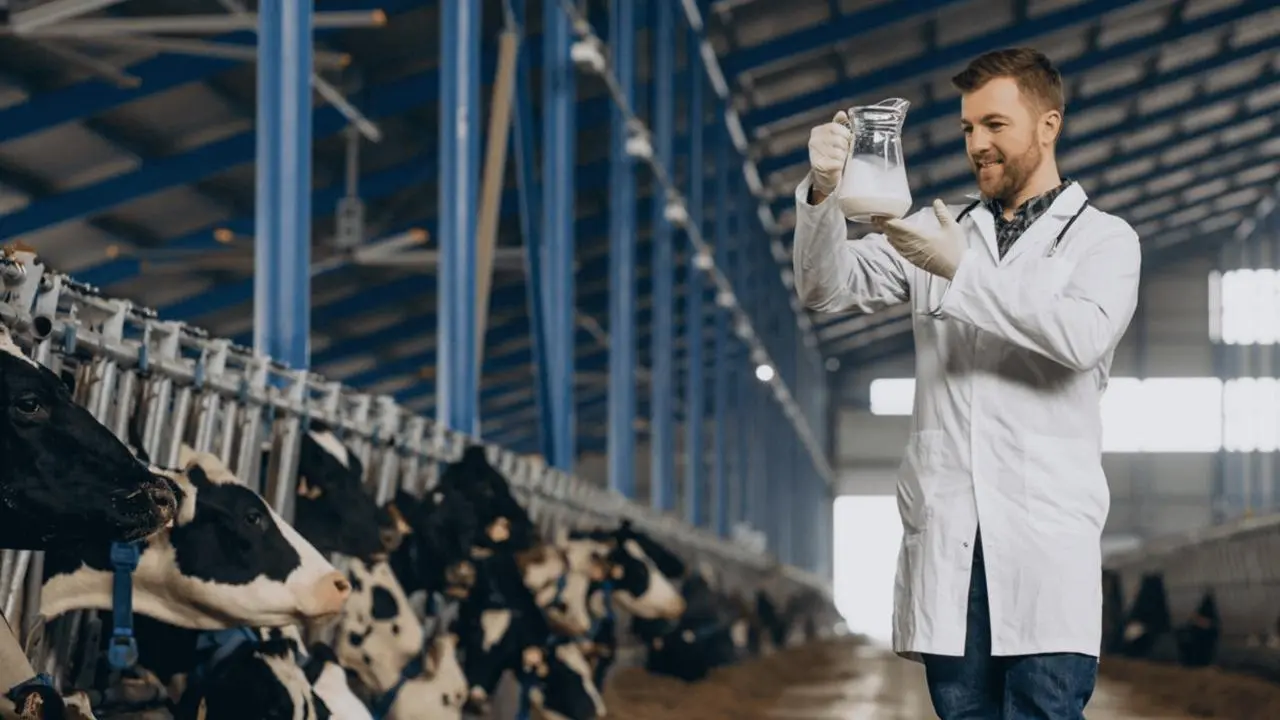
One defining feature of the programme is its workplace‑integrated learning approach. Rather than limit candidates to purely classroom study, learners rotate through placements at partner dairy operations under the supervision of seasoned professionals.
These placements provide first‑hand exposure to:
- Milk reception and processing workflows
- Equipment calibration and quality checks
- Sanitation schedules and compliance procedures
- Production planning in fast‑paced environments
Learners emerge not just with certificates but with contextual experience — which is often more meaningful to hiring managers and future supervisors.
Who Should Apply?
The Dairy Learning 2026 Training Programme is designed for:
- Recent school leavers seeking technical career paths
- Individuals with a passion for food science or agricultural production
- Candidates interested in operational roles within dairy plants
- Career changers looking to enter a growing sector
Eligibility typically requires a completed secondary education (Matric/Grade 12) and a demonstrated interest in dairy or food production.
How to Prepare a Strong Application
Interested candidates should approach their application with care and attention to detail. Here are practical steps based on recruiter feedback and training provider guidelines:
Gather Essential Documents
Prepare the following:
- Certified copy of South African ID
- Matric certificate or equivalent
- Academic transcripts (if available)
- Updated CV with clear contact information
- Reference letter(s), if applicable
Woodlands Dairy 2026 Learnership (Liquid Dairy Reception): Apply here: https://woodlandsdairy.simplify.hr/Company/SubmitCv
Ensuring documentation is accurate and properly certified helps streamline the review process.
Highlight Relevant Interests
In the personal statement section of an application form, candidates should:
- Describe why they are passionate about dairy learning
- Mention any informal experience (e.g., farm work, volunteering)
- Explain long‑term career goals connected to this sector
These narrative elements give selectors insight into motivation and maturity.
Demonstrate Commitment to Learning
Training providers value learners who show curiosity, reliability, and a readiness to engage with both theory and practice. Candidates can support this by:
- Using professional language in written responses
- Following application instructions closely
- Submitting materials ahead of the deadline
Support and Outcomes for Graduates
Upon successful completion, learners gain:
- Recognized certification in dairy operations
- Practical experience from supervised placement
- Improved employability within the agricultural and food processing sectors
Graduates often pursue roles such as:
- Quality control technician
- Dairy production assistant
- Hygiene and sanitation coordinator
- Entry‑level process operator
These roles serve as stepping stones to career advancement, higher responsibilities, and additional professional training.
Voices from the Field: Participant Experiences
To further illustrate the programme’s impact, past participants emphasize the value of lived experience:
“I came in with curiosity; I’m leaving with competence. The hands‑on work helped me understand how each process affects quality.”
“Working alongside experienced technicians taught me practical lessons that no textbook alone could offer.”
Testimonies like these underscore the programme’s commitment to experience‑driven learning, a core tenet of its design philosophy.
What Experts Say
Industry leaders recognize the programme’s role in nurturing a capable workforce:
“Bridging technical education with workplace practice is crucial. Programmes like Dairy Learning 2026 set a standard for how agricultural training should be delivered.”
Such endorsements bolster the programme’s reputation for expertise and relevance.
Final Reminder: Apply by February 13, 2026
As the application window continues, prospective candidates are reminded of the exact closing date: February 13, 2026. Timely submission improves chances of consideration and reflects professionalism — a quality valued in all training participants.
Applications submitted after the deadline may not be reviewed.
Conclusion
The Dairy Learning 2026 Training Programme stands as a trustworthy, expertly guided, and experience‑rich opportunity for individuals eager to develop skills in the dairy sector. With a clear structure, industry‑aligned curriculum, and practical placement experiences, it supports career development in meaningful ways.
If you are ready to build dairy‑related expertise and enter an industry with both tradition and innovation, this training pathway warrants serious consideration — starting with a complete application before February 13, 2026.
